
Deep Bite
Deep Bite
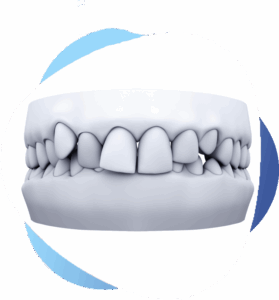
A deep bite, also known as a deep overbite, is a condition where the upper front teeth excessively overlap the lower front teeth when the mouth is closed. While it may seem like a minor alignment issue, an untreated deep bite can lead to serious dental problems such as worn-down teeth, gum damage, jaw pain and difficulty in chewing or speaking. It can also affect the overall appearance of your smile and facial structure.
At our clinic, we provide specialized orthodontic care to correct deep bites using braces or clear aligners, depending on your needs. With early diagnosis and proper treatment, a deep bite can be effectively corrected, improving both your bite function and the beauty of your smile.

Need an Emergency Help? Call Us!
We welcome your questions Do you have questions regarding your own situation? Come in for a complimentary consultation!
Why Treat Deep Bite?
Unlike conditions with immediate symptoms like pain, traumatic occlusion and deep bite act as silent diseases, resulting in gradual, seemingly insignificant changes that become apparent only when irreversible damage has occurred. It manifests as generalized sensitivity and the impacts are often recognized too late.
Features of Deep Bite:
1. Initial Stages: – Wear of lower front teeth with surface flattening.
– Craze lines/thin fracture lines in front teeth.
– Accumulation of deposits and bleeding gums, mainly in lower front teeth.
– Poor tooth function, especially during chewing.
2. Progression:
– Extensive wear on top edges of lower teeth, leading to sensitivity.
– Sudden chipping of teeth and regular bleeding of gums.
– Gum recession due to top edges of teeth biting into the gums.
– Affecting smile aesthetics, with upper teeth wearing on their chewing surfaces.
– Serious issues may result in the loss of front teeth.
– Bad breath as a side effect of gum disease and deposits in teeth.
3. Advanced Stage:
– Excessive wear causing generalized sensitivity and pain in severely affected teeth.
– Gingival recession and TMJ pain (jaw joint and muscle pain).